Major Hazards in Block Caving Mining Operations:
New Era of Mining in PNG
Presenter
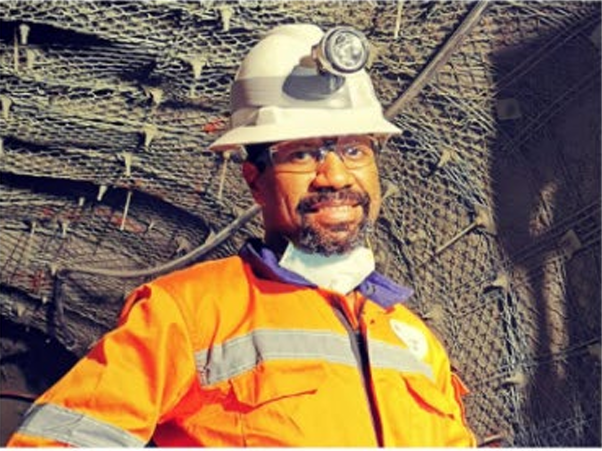
Greg Dala
Principal Engineer Mining & Explosives Global | Dalcore
RPEQ Mining, C.P. Mining, MAUSIMM, B.Eng. Mining, MBA.
Former Superintendent Drill & Blast – Oyu Tolgoi Block Cave Mine Mongolia
Former Mines Inspector QLD, Australia.
20 Years Professional Mining Experience
Registered Professional Engineer - Mining, QLD Australia (RPEQ).
B.Eng - Mining Engineering & Post Grad Cert Mining Engineering (UNSW)
Licensed Shotfirer in WA & QLD - Australia, & Papua New Guinea
Certified Lead Auditor - Management Systems Auditing
Qualified Trainer and Assessor - Certificate IV TAE40110
Master of Business Administration - MBA Global
The presentation aims to equip mining engineering students and professionals at PNGUOT with both foundational knowledge and applied context relevant to the next generation of mining projects in the region.
Introduction to Block Caving
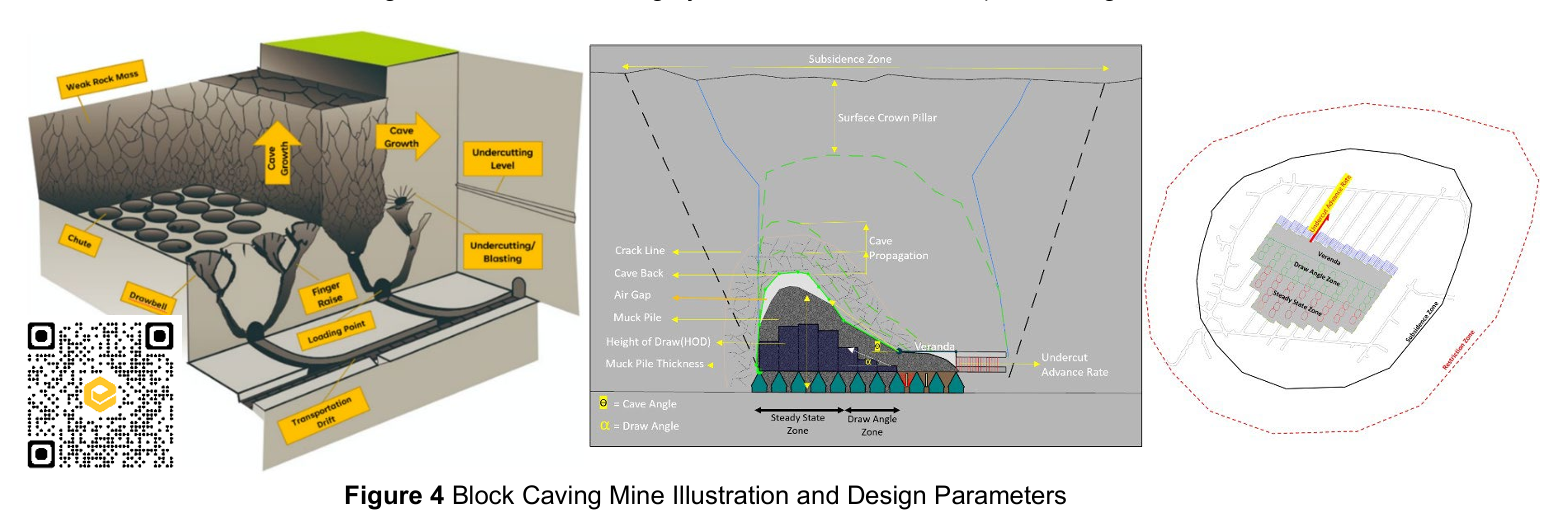
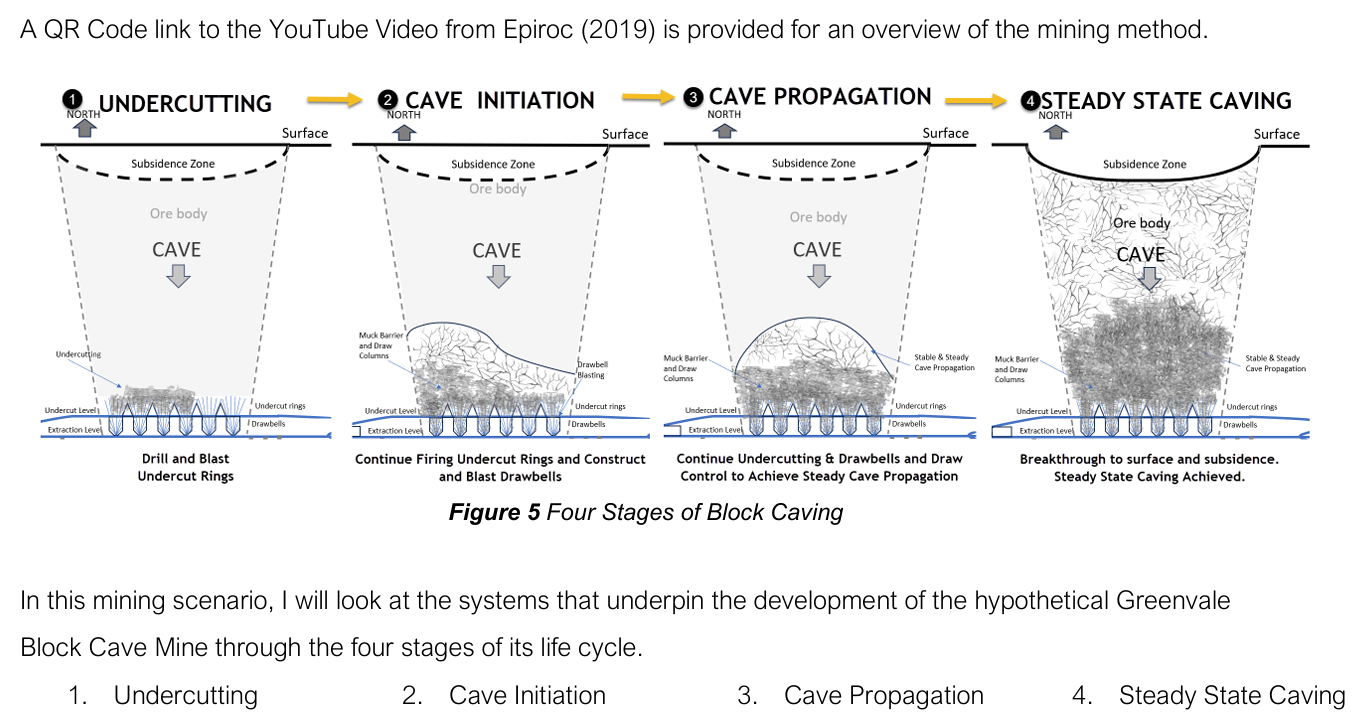
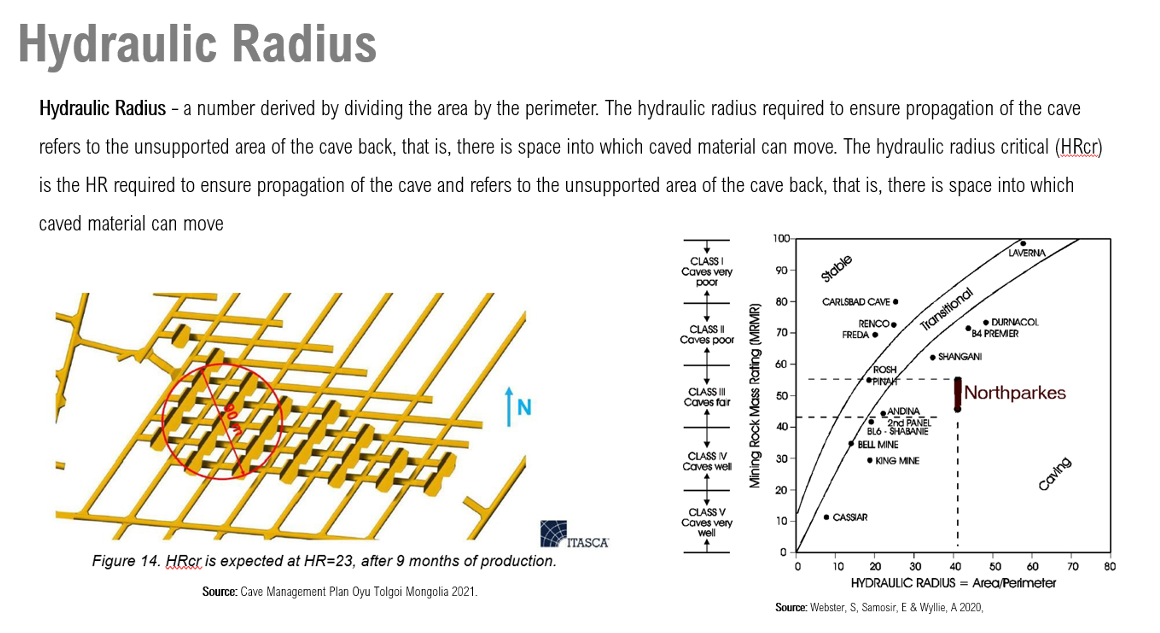
Block caving is a high-productivity underground bulk mining method that relies on the controlled failure and gravity-driven flow of an orebody. This presentation provides a structured overview of the method, with emphasis on its geotechnical fundamentals, development requirements, infrastructure systems, and operational sequencing. Key principles governing cave initiation and propagation—such as undercutting strategies, hydraulic radius, and caveability—are examined in the context of stress redistribution and rock mass behaviour.
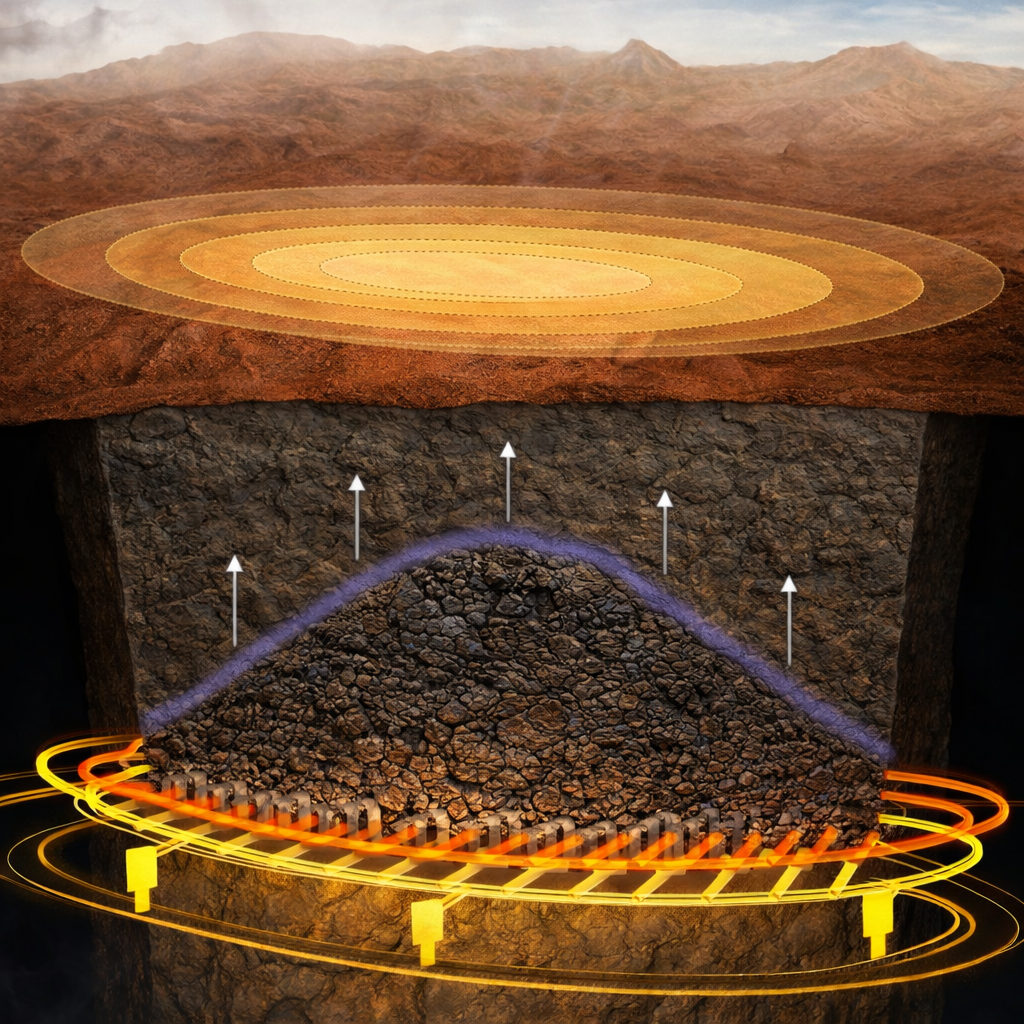
The discussion is framed against the emerging development of large-scale block cave operations in Papua New Guinea, particularly the Wafi-Golpu Project, one of the most significant proposed deep underground mines in the region. Given the depth, scale, and geotechnical complexity of Wafi-Golpu, the successful application of block caving will depend on precise control of footprint development, extraction level design, drawpoint construction, and integrated material handling systems. The interaction between mining-induced stresses and the rock mass is critical, and improper sequencing or poor control of development profiles may result in instability, reduced cave performance, and increased operational risk.
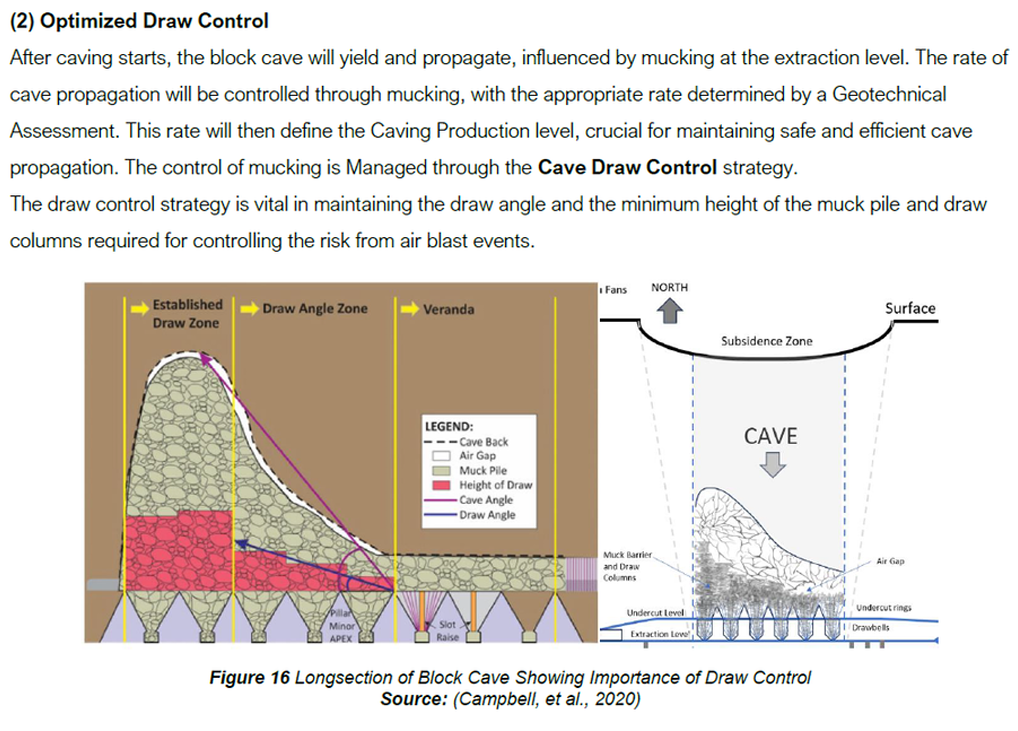
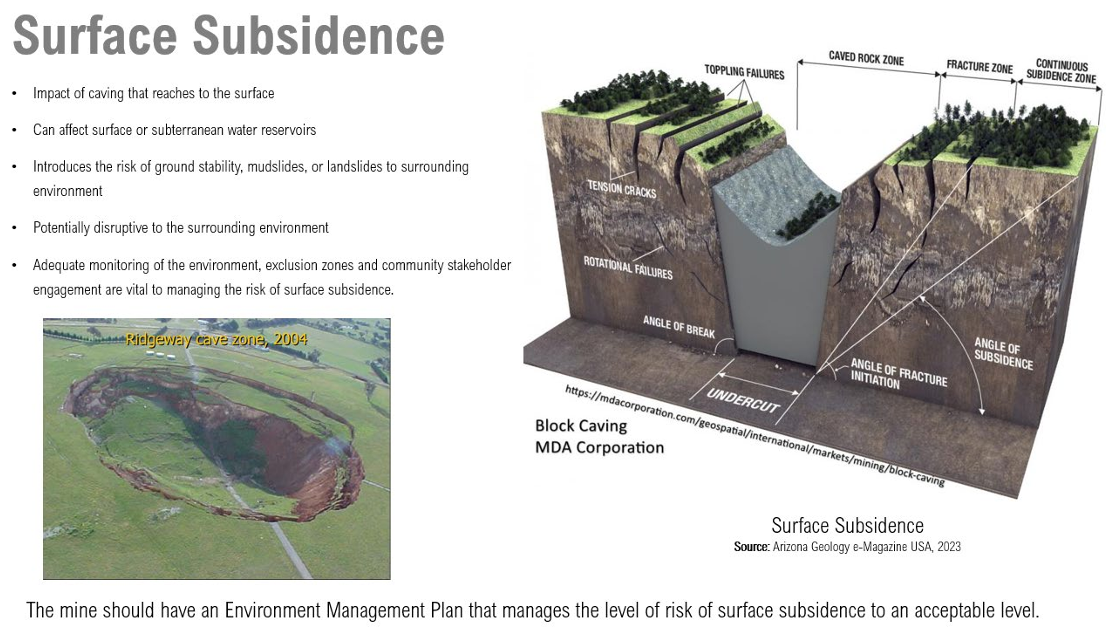
A central focus of this presentation is the identification and analysis of major hazards inherent to block caving operations, including airblast, inrush of material, fall of ground, surface subsidence, and unplanned explosive initiation. These hazards are considered within a risk-based regulatory framework, highlighting the importance of robust cave management plans tailored to high-stress, deep mining environments such as Wafi-Golpu. The role of advanced monitoring systems—such as seismic networks, multi-point extensometers, time-domain reflectometry, and smart marker technologies—is emphasised as critical for managing cave propagation and ensuring safe operating conditions.
Core Learning Outcomes
To develop a basic understanding of the following:
• What the Block Caving Mining Method
• Development Requirements
• Infrastructure Requirements
• Undercutting
• Caving